
How To Start A Meditation Practice For Beginners
A beginner's meditation practice can start small and grow with consistency. This guide explains how to choose a time and place, sit comfortably, focus on your breath, handle wandering thoughts, and build a routine that fits real life. You will also learn to spot common problems and adjust your approach so meditation becomes a reliable habit rather than a frustrating chore.
Fast Answer
- Sit comfortably, close your eyes, and follow your breath for two minutes. When your mind wanders, gently return to the breath without judging yourself.
- Pick a regular time and place, start with short sessions, and increase duration only when the habit feels steady and calm.
Before You Start
- Choose a quiet spot where you will not be interrupted for a few minutes, such as a corner of a room or a chair by a window.
- Decide on a fixed time that fits your daily rhythm, like right after waking or before bed, and put a reminder where you will see it.
- Wear loose, comfortable clothing and have a cushion, blanket, or chair ready so you can sit without strain or distraction.
- Set a gentle timer for your chosen length, such as two or five minutes, so you can relax without checking the clock.
Step-by-Step Instructions
Choose a consistent time and place
Pick one time each day that you can protect, such as right after you wake up or just before you go to bed. Choose a specific spot where you will not be interrupted, like a chair in your bedroom or a cushion in a quiet corner. The goal is to reduce decisions, because every choice you remove makes starting easier. Sit in the same place at the same time for several days, even if your session is only two minutes. A steady cue helps your brain link that moment with calm attention. After each session, make a small note of how it went, such as 'calm' or 'restless,' so you can see patterns over a week. Check that the spot is free from loud noise, strong smells, and screens. If you cannot find a perfect place, choose the quietest available option and begin there. Consistency matters more than ideal conditions.
Settle into a comfortable posture
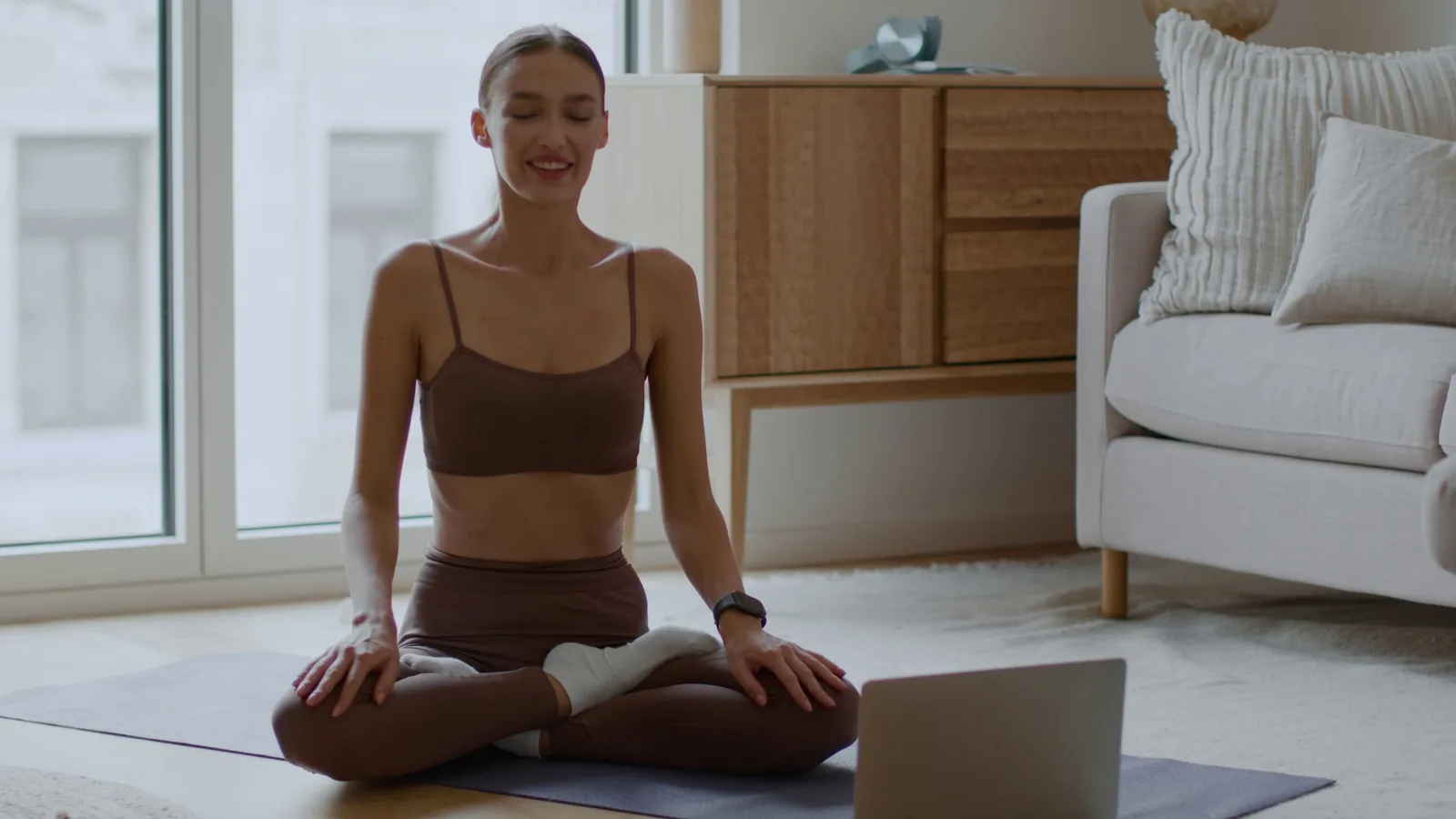
Sit on a chair with your feet flat on the floor, or on a cushion with your legs crossed comfortably. Keep your back upright but not stiff, and let your hands rest on your thighs or in your lap. Gently close your eyes or lower your gaze to a point a few feet in front of you. Take three slow breaths to arrive, then let your breathing return to its natural pace. Run a quick scan from your head to your feet, softening your jaw, shoulders, and belly. The purpose of posture is to help you stay awake and relaxed at the same time. If you feel pain or numbness, adjust your position before continuing. Good posture is not about perfect stillness; it is about supporting steady attention without strain. When your body is settled, your mind can settle more easily.
Focus on the breath as your anchor
Bring your attention to the physical feeling of breathing. Notice the air moving in and out of your nostrils, or the rise and fall of your chest and belly. Choose one place where the breath is easiest to feel, and keep your attention there. You do not need to control your breathing or make it deeper. Simply observe each inhale and exhale as it happens. When you notice your attention has drifted, gently return to the breath. If your mind feels busy, silently count each exhale from one to ten, then start over. This gives your mind a simple task while you build focus. A practical check is to ask yourself after a minute, 'Can I feel one full breath right now?' If yes, you are doing the practice correctly. The breath is always with you, so it is a reliable anchor.
Handle wandering thoughts with kindness
Your mind will wander. That is normal and not a sign of failure. When you notice you are thinking about a task, a memory, or a worry, quietly label it 'thinking' and return your attention to the breath. Do this without scolding yourself. The moment you notice wandering is actually a moment of awareness, which is the skill you are building. If a thought keeps pulling you away, let it be there like a cloud in the sky and bring your focus back to one breath. You may need to return dozens of times in a short session, and that is fine. A useful check is to see whether you can return to the breath within a few seconds of noticing. If you can, you are practicing well. Kindness toward yourself makes the habit easier to keep and reduces the tension that creates more mental noise.
Start with short sessions and build gradually
Begin with two to five minutes once a day. Set a gentle timer so you are not checking the clock. When the timer sounds, take a moment to notice how you feel before standing up. After a week, if the habit feels steady, add one or two minutes. Increase duration only when you can complete your current length without dread or restlessness. A practical check is to rate your session from one to five for ease. If the number is very low, shorten the next session rather than quitting. Short and regular beats long and rare. You can also split practice into two brief sessions if one longer sit feels difficult. The aim is to make meditation a normal part of your day, not a test you must pass. Slow growth protects your motivation and helps your attention strengthen over time.
Review and adjust your routine weekly
At the end of each week, take five minutes to review your practice. Ask yourself what time you actually sat, how long you sat, and what helped or hindered you. Look for patterns, such as feeling calmer in the morning or more distracted after meals. Use those notes to adjust your plan. If you missed several days, choose a smaller session or a stronger cue rather than giving up. If you feel bored, add a simple variation, such as focusing on sounds or doing a body scan. A practical check is to confirm that your chosen time still fits your week ahead. Adjust the plan before problems build. This review turns meditation from a vague intention into a managed habit. Keep the routine simple and honest, and let it change as your life changes. Consistency over months matters more than any single session.
Quick Reference
| Situation | Action | Why it helps |
|---|---|---|
| You have only a few minutes before your day begins. | Sit in a chair, set a timer for two minutes, close your eyes, and follow ten slow breaths, returning to the breath each time your mind wanders. | A very short session lowers the barrier to starting and still trains the basic skill of returning attention, which is the core of meditation. |
| Your mind feels too busy to sit still. | Do a walking meditation: walk slowly for five minutes, feeling each footstep, and silently label 'stepping' as you move. | Gentle movement gives restless energy a place to go while you practice steady attention, making it easier to stay with the exercise. |
| You keep forgetting to practice at your chosen time. | Attach your session to an existing daily habit, such as after you brush your teeth, and place your cushion or chair in plain sight. | A reliable cue and a visible reminder reduce reliance on memory and help the new behavior link to an established routine. |
Common Issues
- You cannot stop thinking during meditation.: Stop trying to stop thoughts. Instead, label the thought quietly as 'thinking' and return to one breath. Repeat this return as often as needed. The goal is not an empty mind; it is to notice wandering and come back without judgment.
- You feel sleepy or dull during practice.: Open your eyes slightly, sit up straighter, or practice at a time when you are more alert. Splash cool water on your face before sitting. If sleepiness continues, try a short walking meditation instead of sitting still.
- You miss days and feel like you have failed.: Treat a missed day as information, not a verdict. Shorten your next session to two minutes and choose a stronger cue, such as a phone reminder or a note on your mirror. Restart the same day rather than waiting for a perfect week.
Advanced Tips
- Try a body scan: move your attention slowly from your toes to your head, noticing sensations without changing them, which deepens calm and body awareness.
- Practice open awareness: after a few minutes of breath focus, let sounds, sensations, and thoughts come and go without choosing any single anchor.
- Extend one session each week by a small amount, but keep a short backup session for busy days so the habit never depends on perfect conditions.
Final Checklist
- Choose one regular time and one quiet place where you will not be interrupted for your session.
- Sit in a comfortable, upright posture with your hands resting and your eyes gently closed or lowered.
- Set a gentle timer for two to five minutes and focus on the physical feeling of your breath.
- When your mind wanders, label it softly and return to the breath without scolding yourself.
- Increase your session length only after the current length feels steady for about a week.
- Review your practice weekly and adjust the time, length, or anchor if you keep missing sessions.
FAQ
How long should a beginner meditate each day?
Start with two to five minutes once a day. The exact length matters less than showing up regularly. After a week, if the habit feels steady, add one or two minutes. If you feel restless or dread the session, shorten it instead of quitting. Short daily practice builds attention and confidence more reliably than occasional long sits.
Do I have to sit cross-legged on the floor?
No. You can sit on a chair with your feet flat on the floor, on a cushion, or even lie down if you can stay alert. The posture should help you feel both relaxed and awake. If you choose to lie down, keep your eyes slightly open and avoid a soft bed, because sleepiness is a common beginner problem.
What should I do when my mind will not settle?
Let the busy mind be there and return your attention to one breath. You can silently count each exhale from one to ten, then start again. If restlessness is strong, switch to a short walking meditation. The skill you are building is noticing distraction and coming back, not forcing your mind to be quiet.